
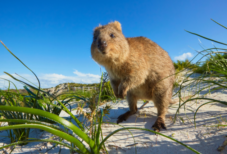
Your Guide to Spotting Quokkas on Rottnest Island
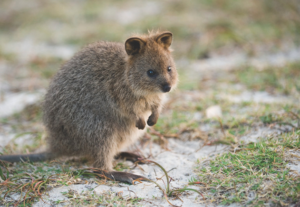
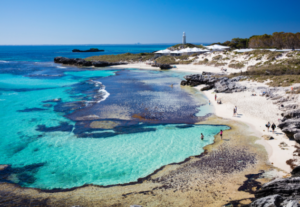
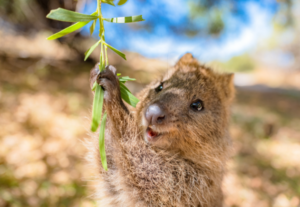
They’re the whole reason half of us book the ferry in the first place. Good news is, you don’t have to leave it to chance! Here’s exactly where to find Rottnest’s most famous residents, straight from the island’s own guide.
Garden Lake
Where: 5-minute walk from the main bus stop
One of the best spots for a purposeful quokka sighting. It’s quiet, still, and surrounded by trees, with a boardwalk giving you the perfect (and respectful) vantage point to watch families sleeping under the shade or venturing out in the early morning and late afternoon.
On the way to The Basin
Where: Where the Gabbi Karniny Bidi meets Kingsway Road
Walk the trail between Wadjemup Oval and the golf course and you’ll hit a line of native tea trees right opposite the Discovery Rottnest Island eco-tent village. It’s prime quokka woodland — stand back and watch them go about their business.
The Ngank Yira Bidi trail to Bickley Bay
Where: South of Kingstown Barracks
Heading toward Bickley Bay, you’ll pass a stretch of low scrub trees dotted along the path — home to a resident quokka population sheltering, foraging and making a home among the fauna.
Just before the ascent to Wadjemup Lighthouse
Where: Digby Drive
Right at the base of Wadjemup Hill, cyclists and walkers cross paths with a cluster of tea trees that’s home to its own little quokka community — a good excuse to pause before tackling the climb to the island’s highest point.
Cycling to Stark Bay
Where: Bovell Way
Tall fig trees and date palms create a natural reserve for the island’s marsupials. If you’re doing a full loop by bike, keep an eye out again near Parker Point (about 6km from Stark Bay), where a dip in the road hides a shrub forest of native tea trees — and sometimes, more quokkas.
Note:
A few things to remember: quokkas are nocturnal, so early morning and late afternoon are your best chances of a sighting. Keep at least two metres’ distance, never touch or feed them, and stick to the marked paths — it’s how the island protects a vulnerable species.